
Terms under which this service is provided to you.
Read our privacy guidelines, your California privacy rights, and ad choices .



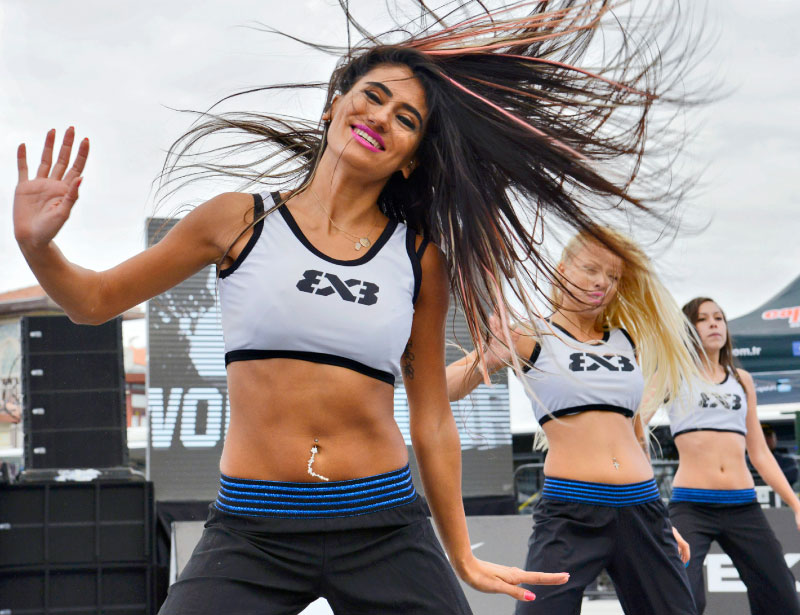
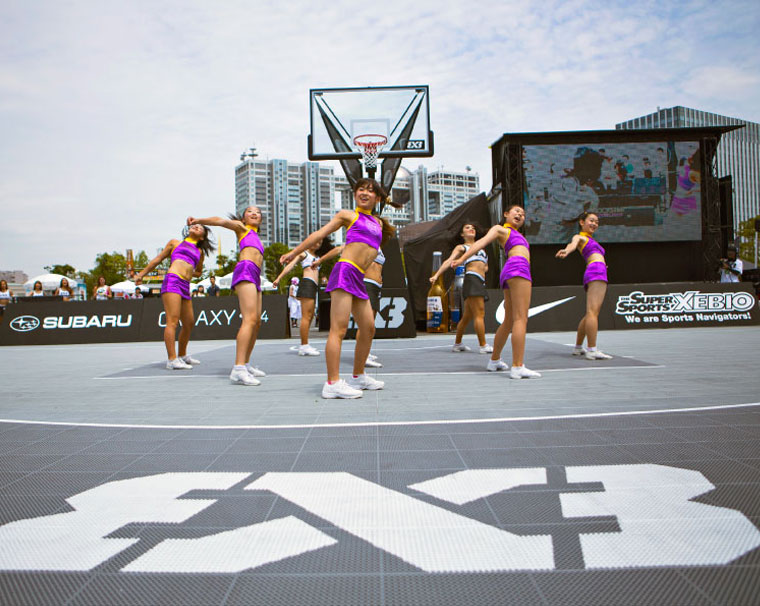
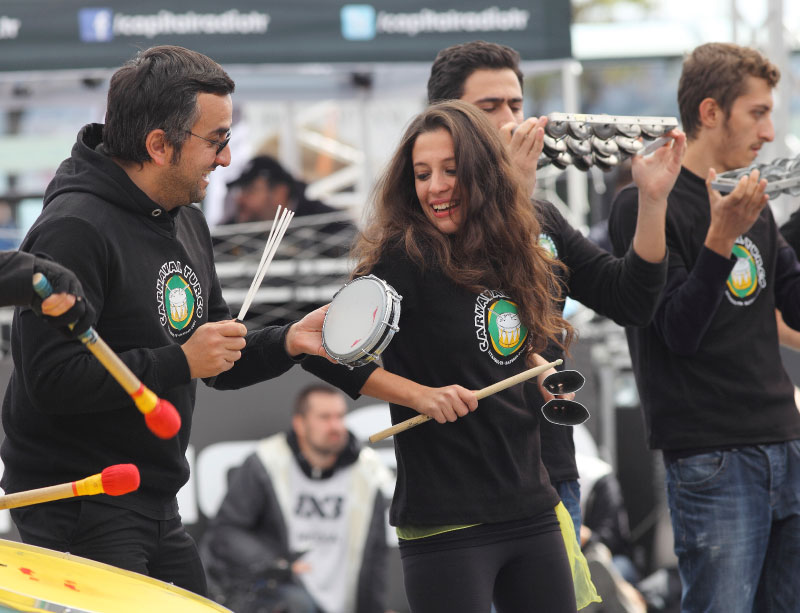
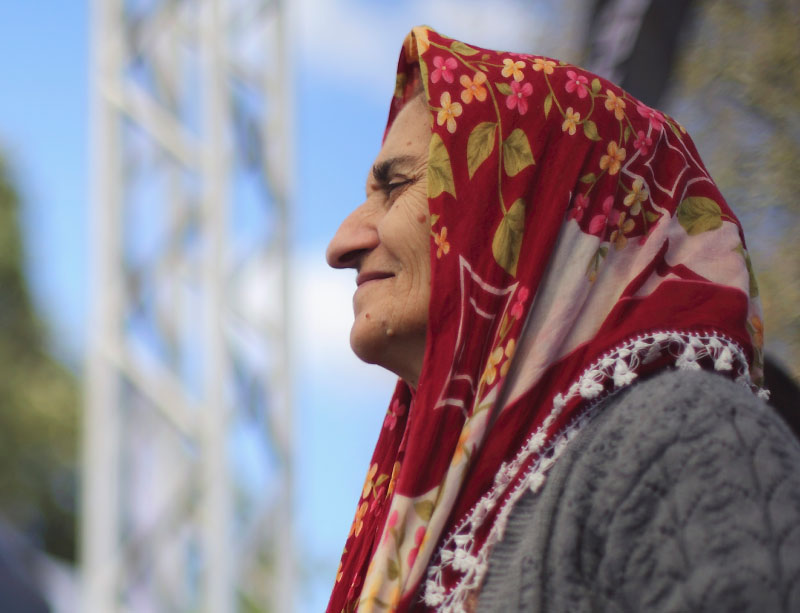
If Istanbul is the city where worlds collide, I can survey the shrapnel from my seat in the bleachers. The dance team for the local Euroleague club, Anadolu Efes, shimmies its midriff courtside. The sound system cranks out raunchy hip-hop I can’t Shazam fast enough to catalog. Just beyond the court, as men in beards and women in headscarves hurry to and from buses and ferries, minarets of a mosque gaze judgmentally down.
The basketball taking place in the midst of this hand-to-hand cultural combat seems almost incidental: the final of the 3-on-3 World Tour, the centerpiece of efforts by FIBA, the sport’s international governing body, to install halfcourt streetball as an Olympic sport. It may be French Montana’s command to drop that p----, b----, or Snoop Dogg’s to suck my motherf------ d---, or the news that Ludacris got ho’s in different area codes, but something moves Mike Hackman, the marketing man on the scene for Nike, to object.
Hackman’s paymasters sponsor the World Tour for its ability to reach the global hoop roots. But the Swoosh hasn’t bargained for these musical associations, so Hackman lodges the first of several appeals that the man on the mic, a 300-pound Turkish guy who goes by D.J. XXXL, tone it the freak down. The music flows uninterrupted just the same, except for those occasions every few hours when the muezzin wails a call to prayer. Even in modern Turkey, Allah still sits above your average emcee in the pecking order.

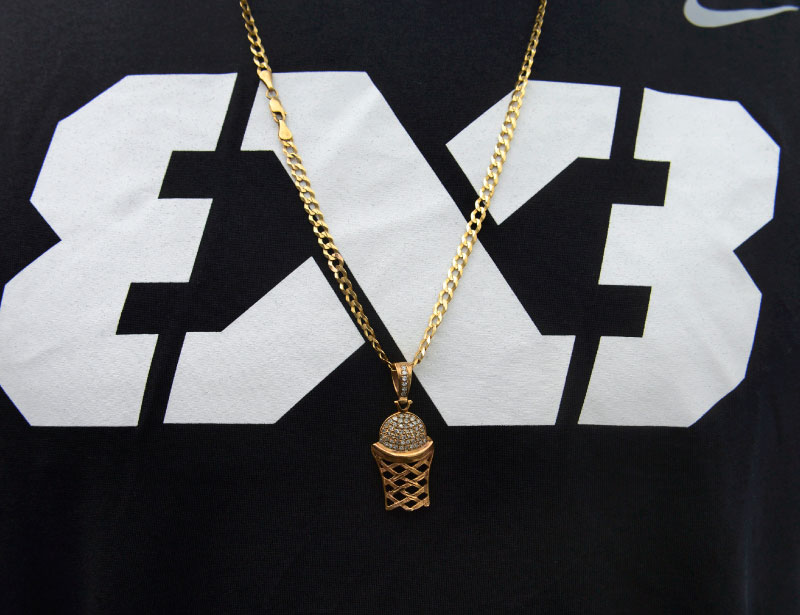
Judged alongside these multiple unlikelihoods, 3-on-3 in the Olympics hardly seems outlandish at all. And that’s what this event, in Besiktas Port Square, is a stalking horse for. To be sure, 3-on-3 won’t make the program for the Rio Games in 2016. (FIBA refers to 3-on-3 as 3x3, with the “x” serving as a polyglot preposition.) But FIBA only unveiled the discipline three years ago, at the Youth Olympics in Singapore. An Under-18 world championship followed a year later, in Rimini, Italy; 2012 featured what is now a biennial Worlds for senior men’s and women’s national teams, as well as the first season of the World Tour.
This is the culmination of Year Two of the Tour, which resembles the pro tennis tour in its particulars. By competing in any of some 60 sanctioned events around the globe, an individual player accumulates points. Join up with others who can push a combined point total high enough, and your 3-on-3 team earns itself a spot at the World Tour stop in its catchment zone, which this past season included Rio (for South America), San Juan (North America), Tokyo (Asia), and Lausanne and Prague (Europe, Africa and the Middle East). The top two finishers at each of these five events earned 10 of the dozen berths in the Istanbul final, which this weekend makes for representatives from Indonesia (Jakarta), Japan (Nagoya), Canada (Saskatoon), the U.S. (Staten Island), Venezuela (Caracas), Argentina (Nequen), Romania (Bucharest), Serbia (Novi Sad) and Slovenia (the towns of Brezovica and Kranj). Two additional spots went to winners of Turkish events staged to gin up local interest.
While 3-on-3 in the Olympics would be organized by nationality, the World Tour permits players to form teams across borders, just as tennis pros such as Chile’s Hans Gildemeister and Ecuador’s Andres Gomez, or Canada’s Daniel Nestor and Serbia’s Nenad Zimonjic, would connect to play doubles. Americans have already teamed up with Dutch, Greeks with Italians, and Romanians with Serbs, at FIBA-sanctioned events. “After a few years on the Tour, if you have a friendship with a guy from China, say, you might go, ‘Why don’t we give it a try?’” says FIBA secretary general Patrick Baumann, who’s lobbying fellow members of the International Olympic Committee for a place on the program. “The rankings let you sort out who’s best.”
Today, a Friday, is devoted to pool play. Tomorrow comes the knockout round with the eight survivors. While FIBA only ranks individual 3-on-3 players, tournament organizers total the points of everyone on a team to determine seedings. If 3-on-3 were to earn a place in the Olympics, a country would qualify for the Games based on how well its individual players have fared within the FIBA system, “pushing as many players as possible up the chain,” as Baumann puts it.
Soon into the first match, between Bucharest and a team from the Istanbul quarter of Caddebostan, it’s clear that the rules make for as fast-moving a spectacle as half-court basketball can deliver. There’s no inbounds “check” and no “make it, take it,” so a team freshly scored upon will pull the ball out of the net and look immediately to a teammate for an opportunistic hoop. You have to clear changes of possession, but a steal can go right up. Each basket is worth one point, except for a shot from beyond the arc, which counts for two. The first team to 21 wins outright—or, as is more often the case, a game lasts a maximum of 10 minutes. All this confers on play a breathlessness that hardly allows for trash talk. Spain brought three national team 5-on-5 players to the 3-on-3 Worlds in Athens, including former NBA veteran Jorge Garbajosa, only to get bounced in the quarterfinals because full-courters couldn’t adapt to the pace.
If wrestling were ever dropped from the Olympics once and for all, this would make a worthy substitute. As Bucharest and Team Nagoya bodyslam each other, I realize that the two officials are permitting virtually anything in the post. To adjudicate all the leaning, pushing, grabbing, chucking and arm-barring would be the single most challenging part of staging 3-on-3 at an Olympics, where audiences are accustomed to pixies on parallel bars and synchro sirens with noseclips. The shot clock is a saving grace: A team has only 12 seconds to clear the ball and shoot, an incentive for players to unclinch and get quickly to the business of hunting a good look.
From their reluctance to get sucked into arguments about no-calls, it’s clear that the players have made their peace with the rules and the contact. As Karron McKenzie, a member of Team Staten Island and former star at Division II Fort Hays (Kans.) State, tells me, “This does a great job of incorporating a full-court pace in a half-court setting. You say ‘3-on-3’ to a coach in America and he’d say, ‘That’s bulls---.’ But there’s structure. You can run plays. It’s pickup in a way, but more professional than you’d think it could be.”
Slovenia has placed those two teams in the draw despite a population of only two million. McKenzie is particularly impressed with Team Brezovica and its 7' 2" star, Blaz Cresnar, whom everyone knows as Birdman because of a Chris Anderson hairstyle that his teammates have also adopted. Today I’ll see Birdman tap dunk one moment and sink a two-pointer the next. “The guys with Mohawks, they’re older,” McKenzie says. “They’re tall and smart but they can also do crafty little dipsy-do things. And that seven-footer, he’s real mobile. He can put it on the floor and shoot.”
The best players scrabble out a living from 3-on-3 by pooling prize money with sponsor support. It’s easiest for those based in Europe, where streetball tournaments are more developed and a tradition of basketball sponsorship already exists. A 3-on-3 team that can run the table—qualify for the World Tour Final, win it, and thus make it to December’s All-Star event in Qatar—stands to collect $120,000 to split among its four registered players.

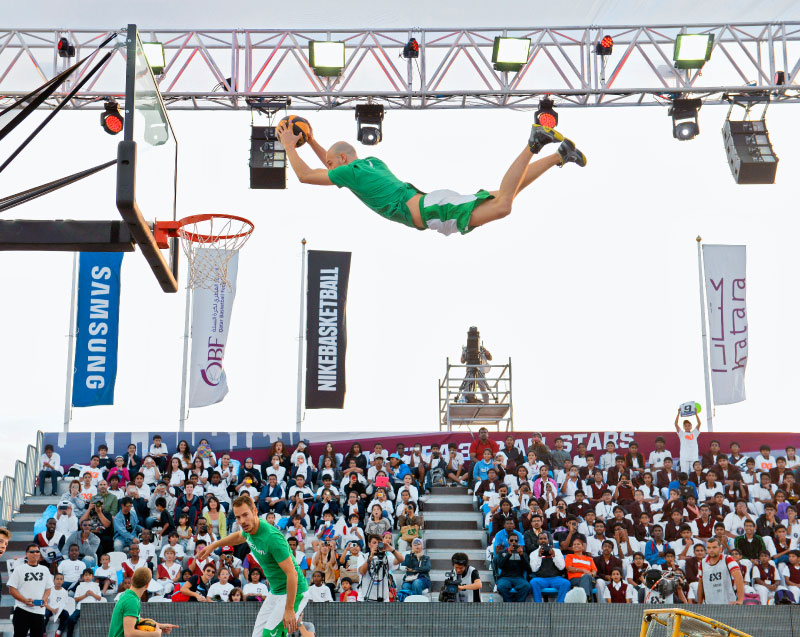
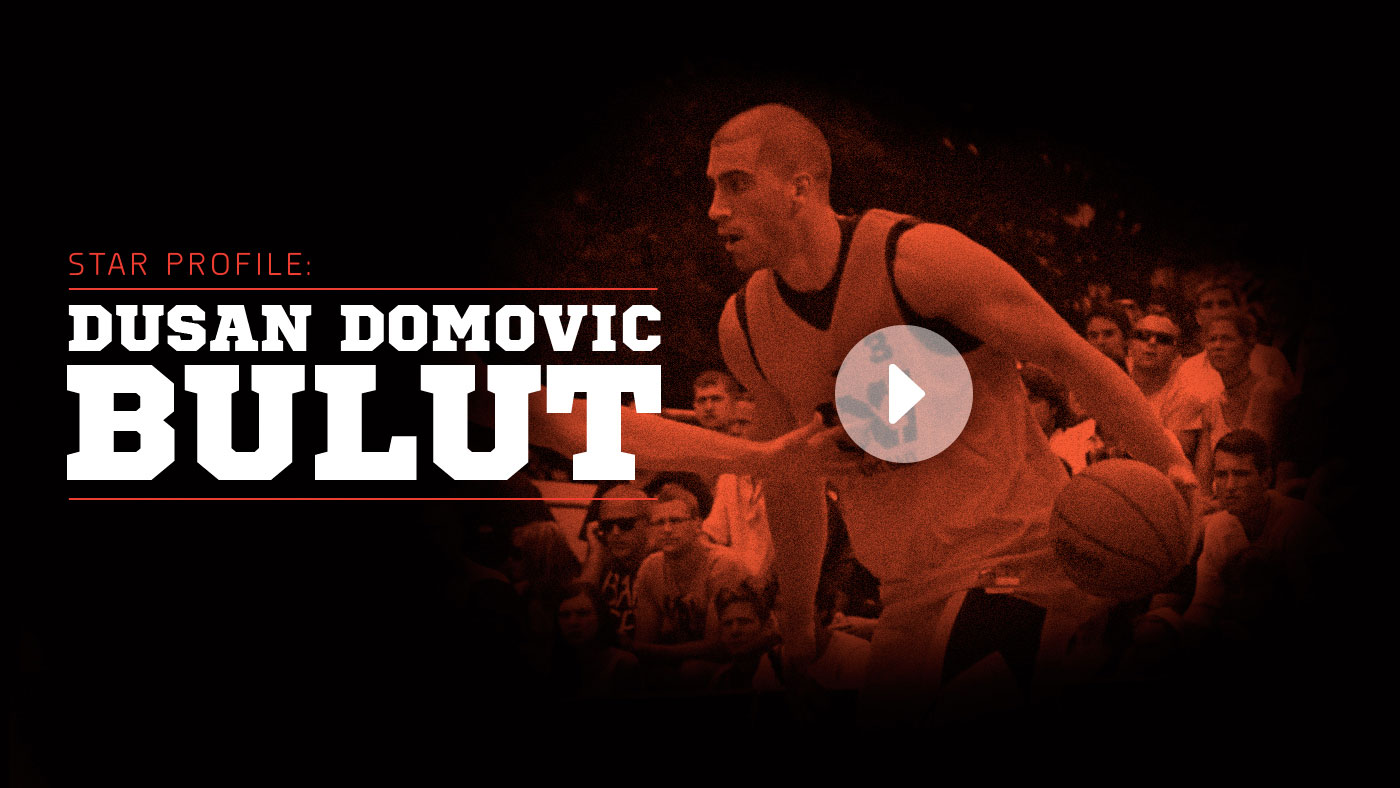
Six-foot, four-inch Dusan Domovic Bulut, who anchored the Serbian national entry that won in Athens last year, stands sixth in the 3-on-3 rankings. He has vowed to leave his beard unshaven until he becomes world No. 1. A former top scorer in the Macedonian first division, Bulut can post up, drive and use trick dribbles to create space to launch the kind of outside shot that seems to be a birthright in the Balkans. Before arriving in Istanbul, he and Team Novi Sad had won all but one of the events they had entered, pleasing their patrons back home. “We didn’t get any big sponsors, but we got a few, to cut some expenses,” Bulut, who would soon turn 28, tells me. “For next season we’ll try to find some global ones. I want streetball to be my profession. I hope one day it will be an Olympic sport.”
It has become a measure of basketball’s reach to point to the odd corners of the world where pick-up can be found. On a visit to Manila, seeing kids commandeer entire streets to play at jerrybuilt hoops, I asked a Filipino friend what the cops did. “Referee!” he replied with glee. These are exactly the ballplayers FIBA hopes to empower with its formalized regime of 3-on-3—not just Filipinos like 16-year-old Kobe Paras, who won the dunk contest at September’s Under 18 Worlds in Jakarta, but also Belizeans and Guamanians, who have each won medals in beyond-the-arc shootouts at FIBA events. “It’s not science fiction,” Baumann says. “It’s reality. At the Youth Olympics in Singapore, Central Africa almost beat the U.S. Likewise, the Philippines did very well in Jakarta. The Philippines is a basketball country, but as you know, you won’t find a Yao Ming there.”
The New Zealand men won the Under 18 Worlds in 2011, and the Estonian women took the silver medal in Jakarta. “If you have three good players you can put your name on the map,” says Patrick Koller, a former point guard for the Swiss national team who now works for FIBA. He points to his countrymen, who beat Canada and Italy in Jakarta before losing to Poland in overtime in the Round of 16. “For Switzerland to beat Canada or Italy in 5-on-5 would be impossible.”
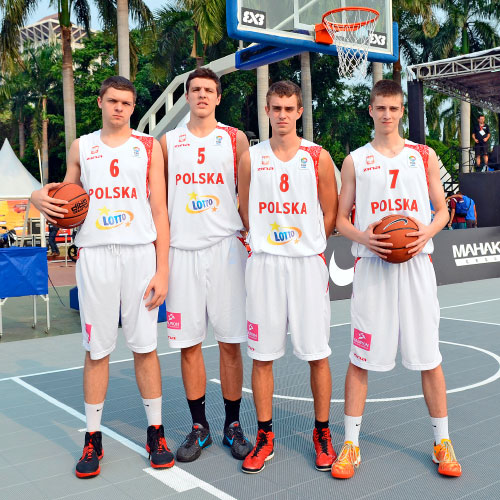
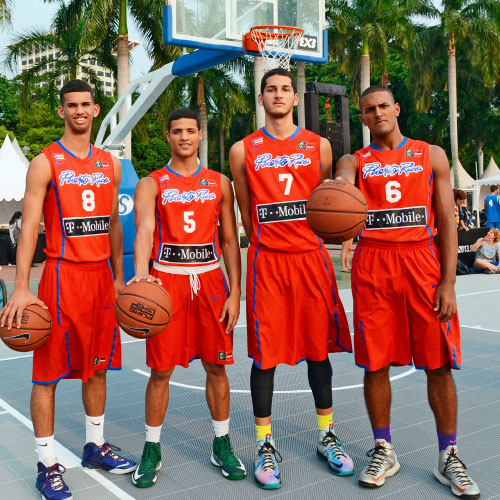
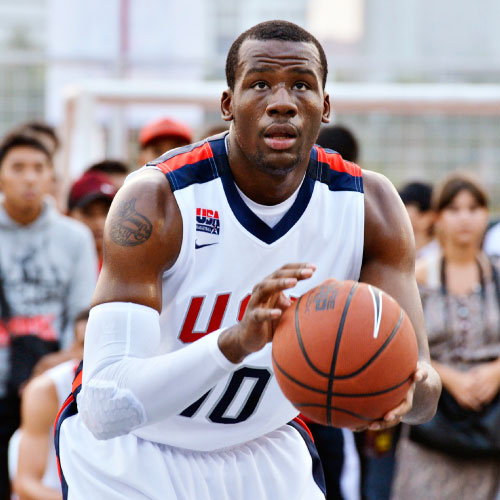
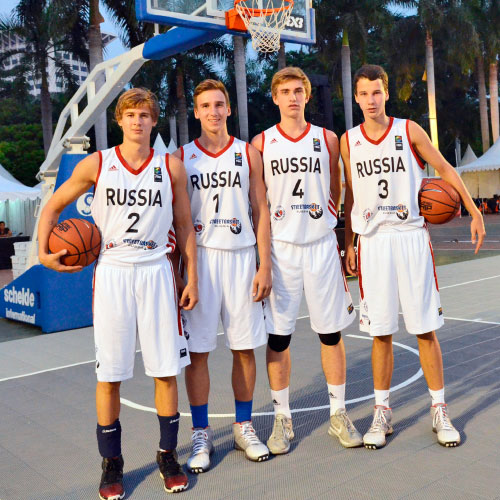
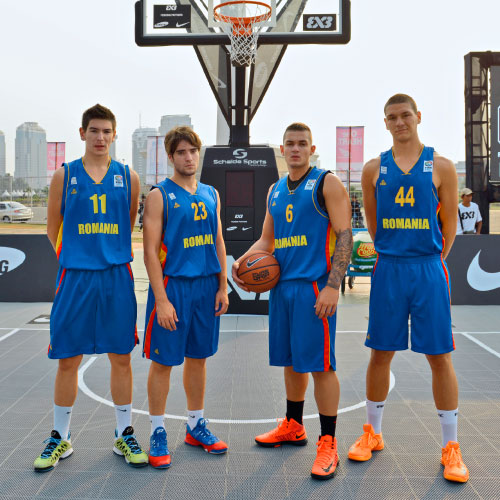
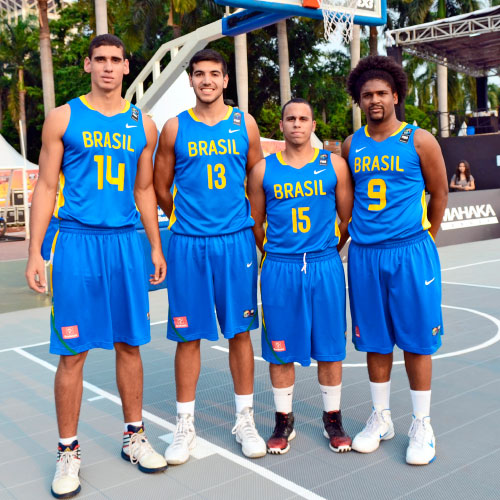
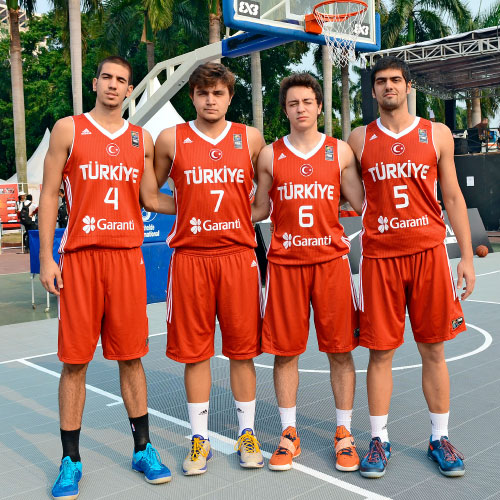
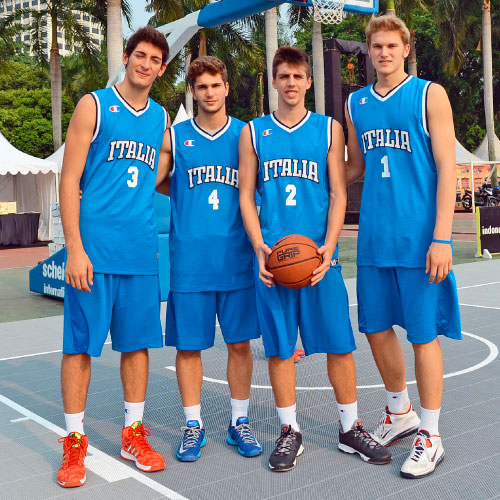
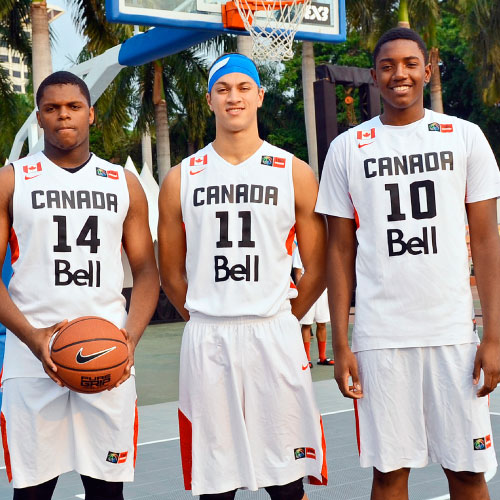
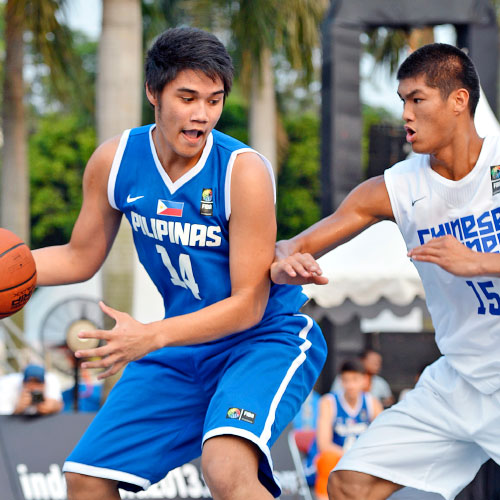
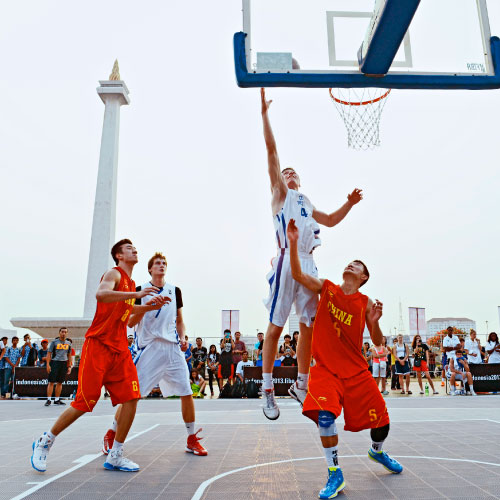
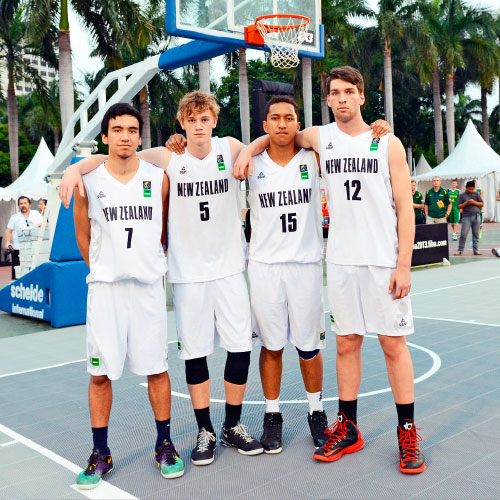
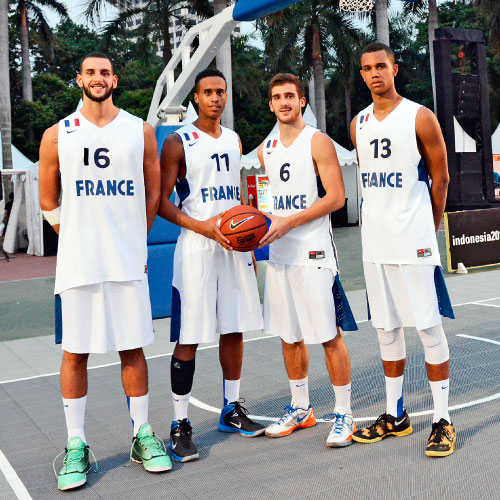
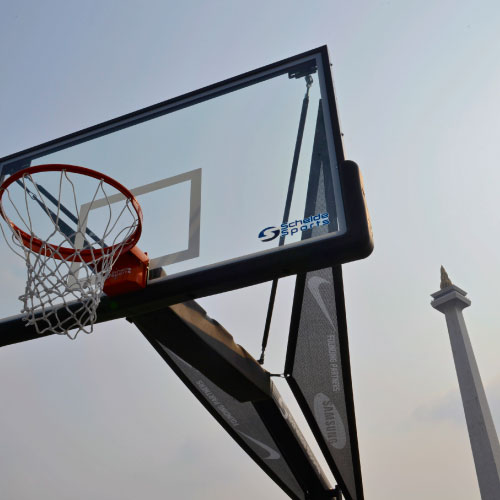
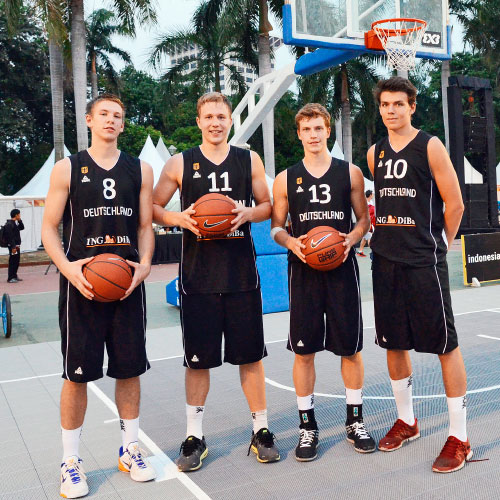
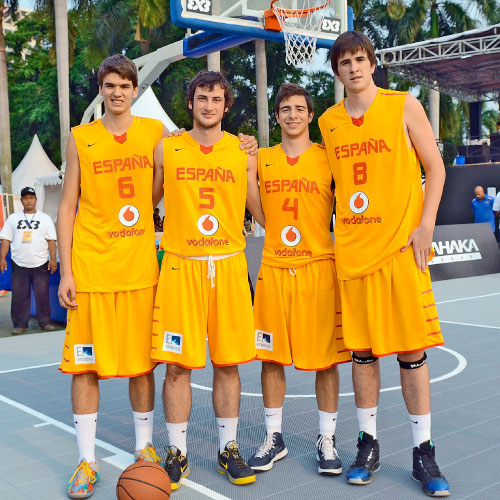
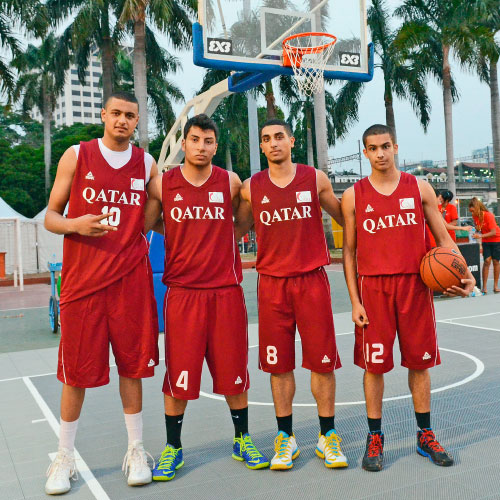
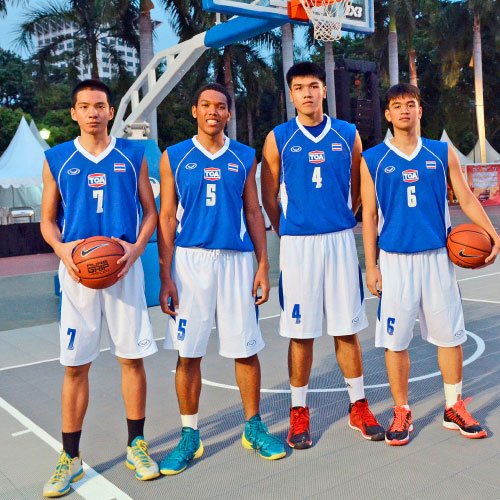
As a gesture of affirmative action, FIBA prescribes for 3-on-3 a ball slightly smaller than the standard men’s ball. The hope is that the average player from Asia or Micronesia will find it easier to dribble and pass, helping to make up the gap in stature against a Croat or Nigerian. Well-meaning though this reasoning is, there’s an unintended consequence: A smaller ball is tougher for players with big hands to shoot, and over the weekend I would witness some of the ugliest shanks imaginable. “It’s a hotly debated issue,” Baumann concedes. “We’re not trying to create a mini-ball version of the regular game. But this is about skills, so the goal is better ballhandling and getting other parts of the world into the mix.”
A nasty cold front has roared out of the Carpathians overnight, and a slanting rain begins to mock the tent over the court. The players gamely slip and slide their way through their paces just the same. There’s no admission charge, and by late afternoon the perimeter of the court has filled with curious passersby. “Wait ’til they sit in the trees!” says FIBA’s 3-on-3 press chief, Julien Debove, gesturing at a grove just past an area already filled with standees. “They do that at Rucker Park, you know. I’ve seen the pictures, with Doctor J. . . .”
“Usually, you ‘go’ to a game,” Baumann will tell me. “Here, we’re bringing the sport to the people. For us, location is key. We want people who are passing by to stop and say, ‘This is cool.’ ”
The World Tour has had a knack for finding just such settings, from Copacabana Beach in Rio, where free buses shuttled youth to and from the city’s favelas, to Wenceslas Square, that plaza of democracy in central Prague. If Istanbul has anything, it’s iconic locations. The final was originally to have taken place in Sultanahmet, between the Hagia Sophia and the Blue Mosque. Then the event was moved to Taksim Square, the unlovely but sprawling plaza in the touristed precinct of Beyoglu; but in June scores of people were injured there during protests against the government and business elite, and authorities ultimately rejected the site. Organizers finally secured Besiktas Port Square. It’s alive with comings and goings—of university students bustling to and from class and commuters making connections. On offense, players could watch ferries thrum their way to points along the Bosphorus; on defense, they’d look past their assignments at the dome of that mosque.
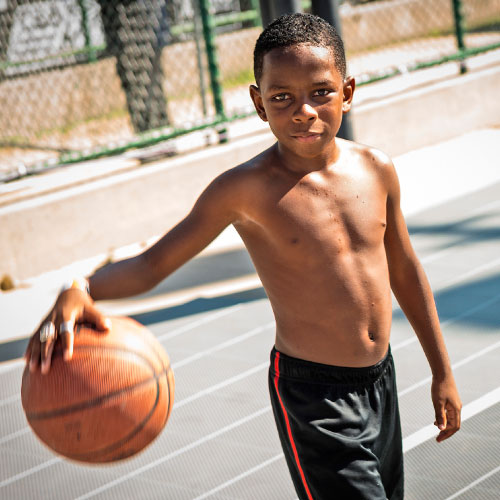
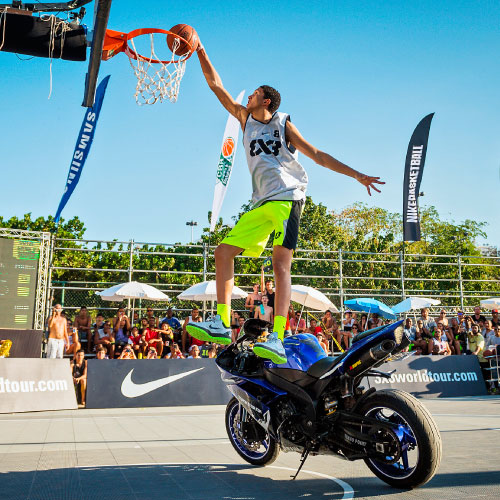
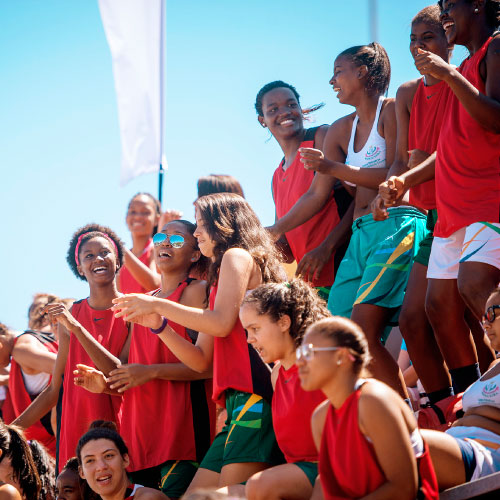
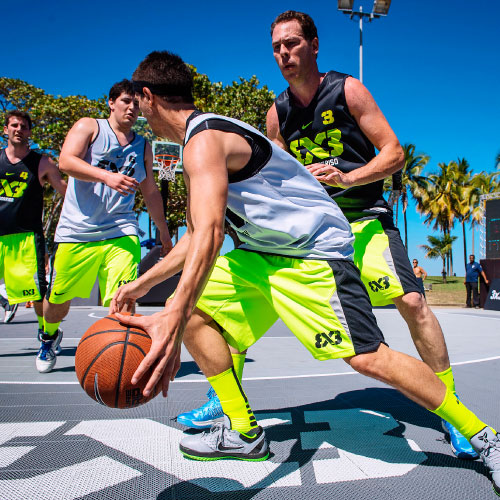
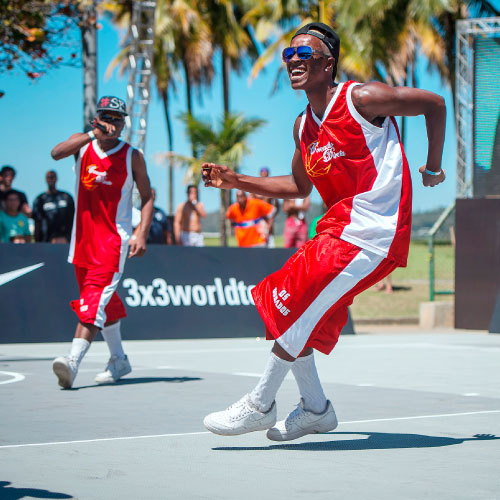
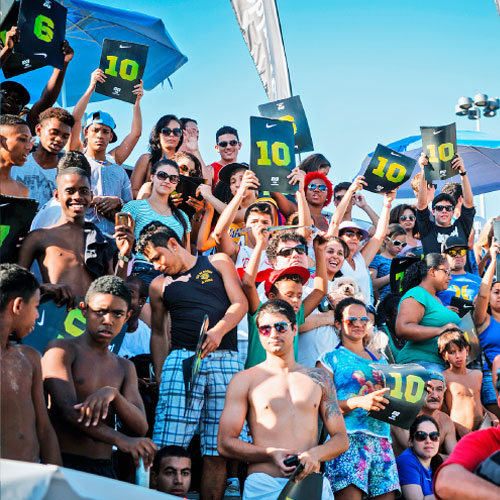
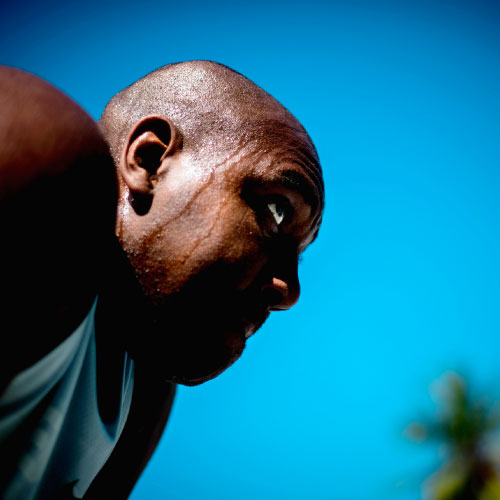
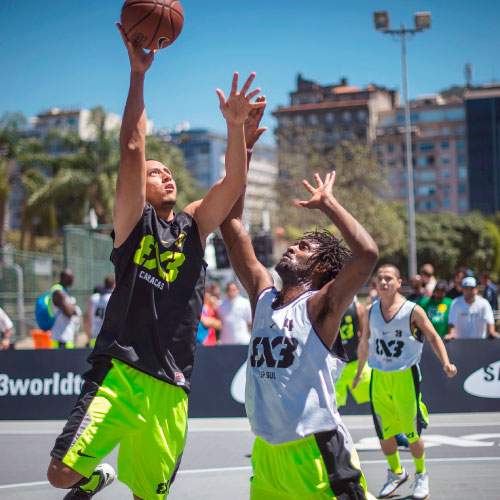
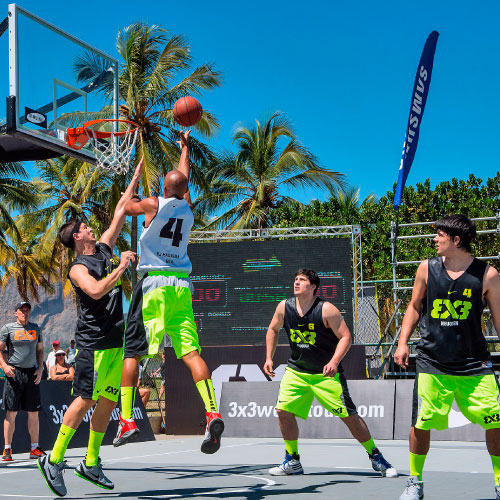
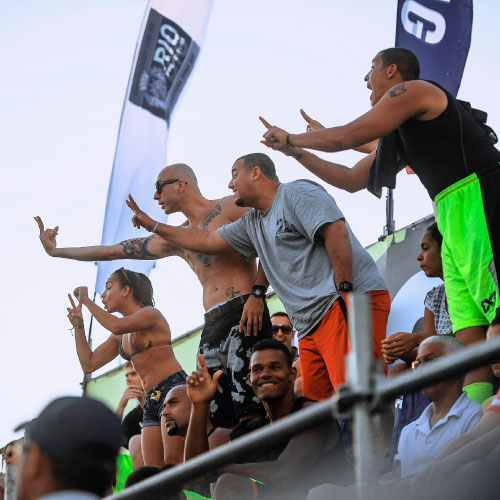
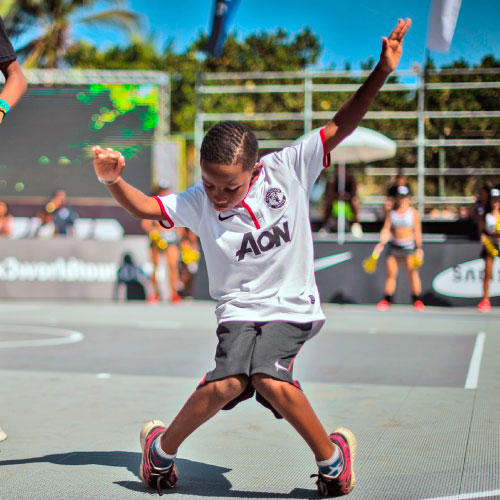
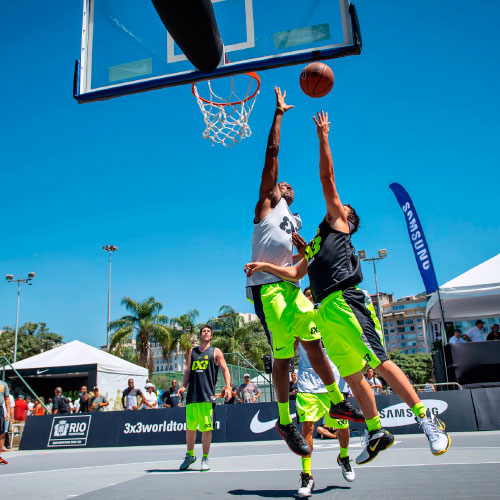
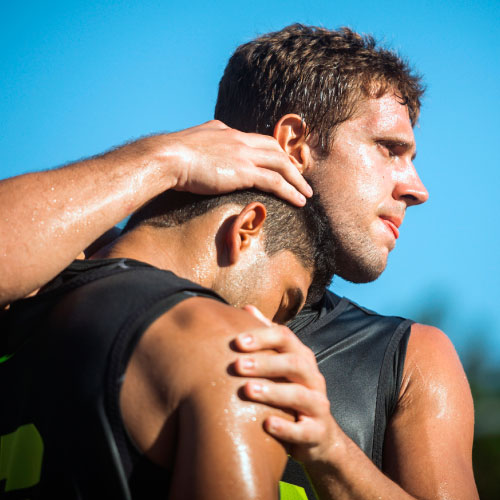
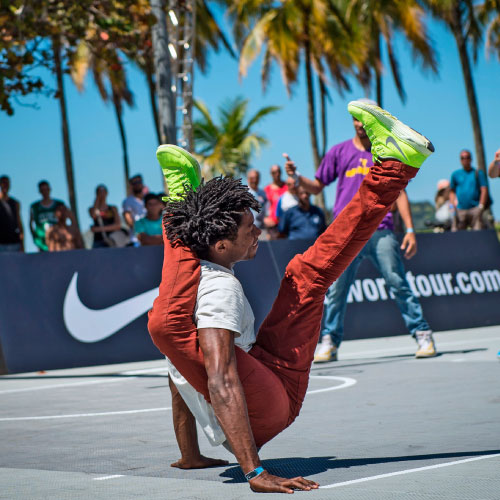
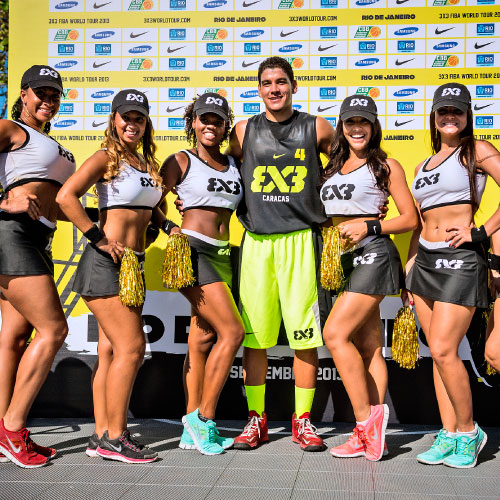
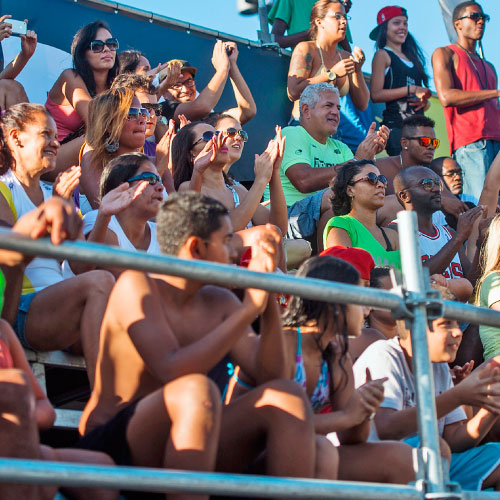
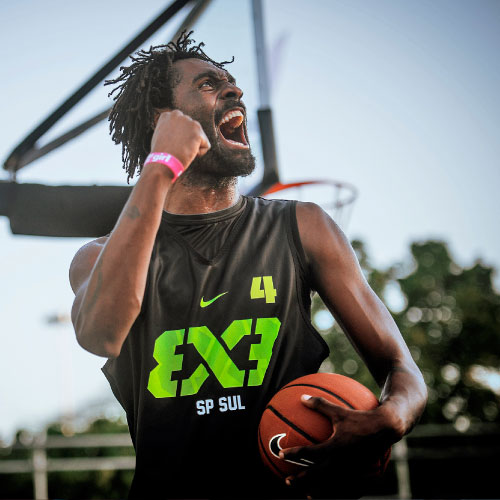
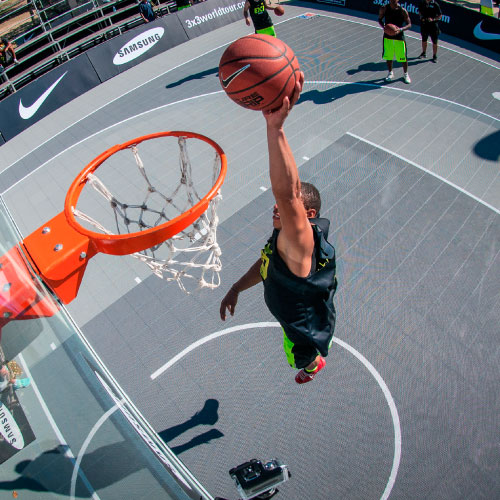
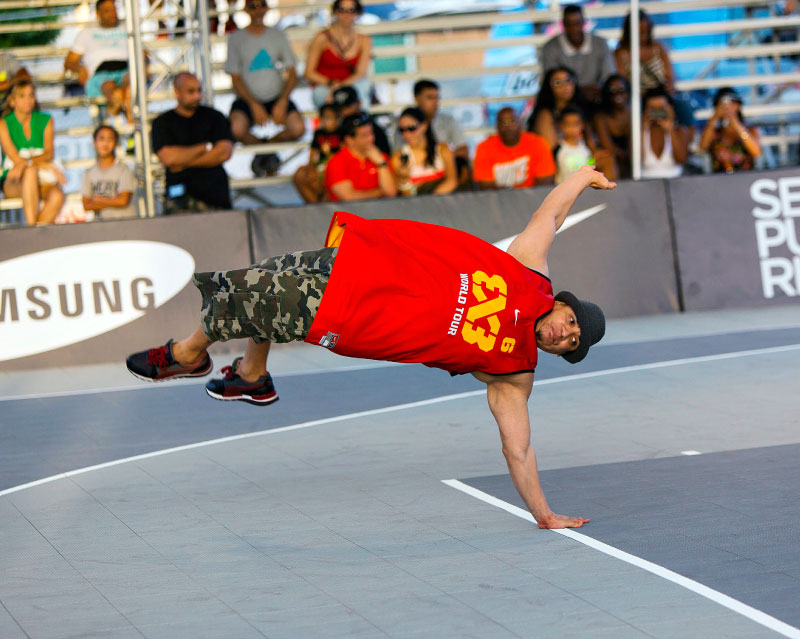
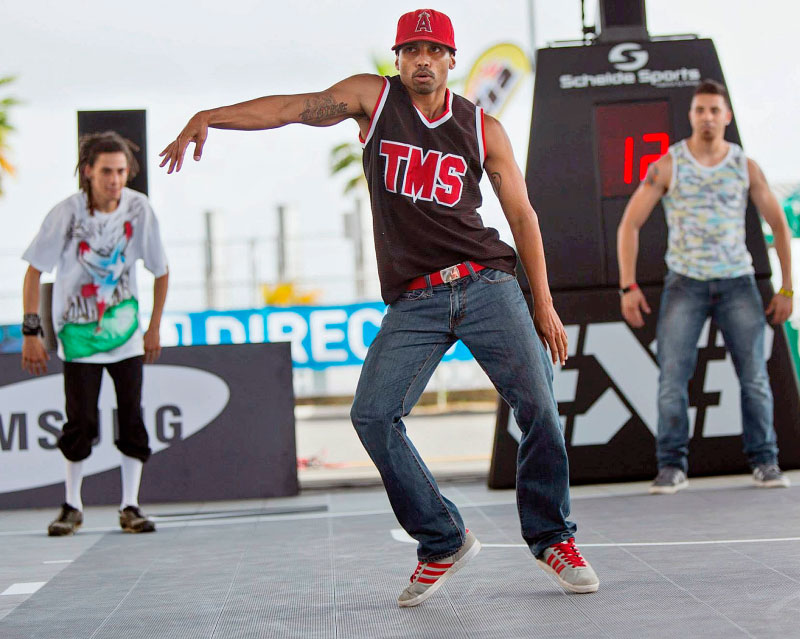
For all the local landmarks, the World Tour unabashedly appropriates the cultural trappings of urban America, overlaying the action not just with hip-hop, but graffiti art and breakdancing too. These nods to the States are approving, even glorifying, and by design. “Our biggest challenge,” Koller tells me, “is to keep the spirit of freedom and fun and not make this too polished.”
As long as guys like D.J. XXXL control the sound systems, I thought, there would be little danger of that.
FIBA chief Patrick Baumann is in his sixth year with the IOC, and at 46 has the advantage of being one of the youngest members of that notoriously stuffy organization. The protégé of longtime secretary general Borislav Stankovic, whose vision led to the Dream Team’s participation in the 1992 Olympics and rapid closure of the gap between the U.S. and the rest of the world, Baumann has graduate degrees in law and business and a gnomic way about him.
I asked him about his old boss’ reaction to the push into 3-on-3.
“What is this s---?” Baumann replied, grinning. Then he launched into an explanation of the difference between the club-centered, 5-on-5 model, in which players pay license fees to a national federation and, ultimately, FIBA; and the promoter- and grassroots-driven universe of 3-on-3, where federations are cut out of the process and FIBA doesn’t collect anything beyond rights fees for its elite events. “Look, this isn’t easy for people who insist on structure,” he told me. “We’re trying to work with all sorts of private promoters. The Argentine federation tried to stop it because suddenly they weren’t in charge. We had to tell them, ‘Hey, they’re not your enemies. Bring them in. We need to grow.’ That’s the challenge when you’ve got monolithic organizations. But we need to shake the tree. Streetball players are basketball players, part of the family.”
Baumann figures to find sympathy among fellow IOC members. Faced with an aging viewership, the Lords of the Rings have become willing to tart up the Olympics with X Gamesy touches, from snowboarding to BMX. The best analogy to 3-on-3 is beach volleyball—not an entirely new sport, but an edgy, TV-friendly “discipline” within an existing one. Like beach volleyball, 3-on-3 would be contested outdoors, obviating the need to build a pricey enclosed venue. And it would invite the adaptation of some fetching landmark within an Olympic city, much as the sandpits, plopped down in Horse Guards Parade at the 2012 Games, attracted huge crowds and moved London mayor Boris Johnson to rhapsodize about beach volleyballers “glistening like wet otters.” (The landmark-retrofitted-as-venue has quickly become a staple of the Olympic bid process: If Madrid had won the 2020 Games, organizers would have staged full-court basketball in Plaza de las Ventas, the city’s iconic bullfighting ring.)
Baumann says that 3-on-3 failed to make the Rio program through no fault of its own. As it watches local organizers struggle to prepare venues and riddle out logistics, the IOC simply doesn’t want to burden the Brazilians with anything new on short notice. Thus FIBA now trains its sights on Tokyo and 2020. “He likes 3-on-3,” says Baumann of Thomas Bach, the new IOC president. “When we can get in is another story.”
What he says is more likely, as Bach gets his IOC-legs, is a complete re-examination of the Olympic program, so the organization can move past the fraught, recurrent reckonings that keep putting crusty sports like wrestling and modern pentathlon in the crosshairs of commercialist interests. The challenge, Baumann says, is “how to bring novelty without kicking the old sports out. Right now we’re on the bench, just about there. We need to continue to organize, promote and run the events. For us it’s a win-win situation. If 3-on-3 goes to the Olympics it’s an extraordinary boost. In the meantime, we have an incredible tool to grow the game.”
As FIBA waits for that Olympic green light, its staff keeps courting established 3-on-3 organizers around the world, including Stateside stalwarts like Gus Macker and Hoop It Up, and potential broadcast partners like NBC. “Some broadcasters are very keen on having urban events and sports in iconic downtown locations,” says Alex Sanchez, who directs FIBA’s 3-on-3 unit. “And from a TV perspective, some of the most interesting stories are guys from the playgrounds, like White Men Can’t Jump. The culture around this hasn’t really been exploited. Maybe there’s a place for a network to do a reality show that has a competitive element.”
In the meantime FIBA continues to grow a base of registered competitors that’s already 40,000 strong. With its 3x3Planet.com Web platform, anyone can plant a flag in the 3-on-3 universe as a player or an event promoter. “Do a small tournament during Phys Ed class at a school, and suddenly you can be part of something much bigger,” Baumann says. “A gym teacher only needs four teams and two hours, plus a mobile phone to register players. There are hundreds of thousands of people already playing the game around the world. In the end we’re just grafting them on to a system. Embrace new partners and new players, and you can end up like the Japanese. Their men [Team Nagoya] will finish in the top eight here, and that’s Japan’s best basketball result in years.”
To judge by the Japanese team in Istanbul, FIBA’s claim that 3-on-3 is the only international sport that can take an athlete “from the streets to the world stage” isn’t entirely fanciful. None of the players on Team Nagoya grew up in an orthodox club. All are pure streetballers and members of Underdog, a Tokyo-based urban crew that also features graphic artists, concert promoters and clothing designers. At the Tokyo stop on the World Tour, a blow from a Russian player opened a cut on the face of a Team Nagoya player who covered the wound with a Band-Aid. The collective swung into action: Twenty Underdoggers showed up at the next game, each wearing a mask with a Band-Aid.
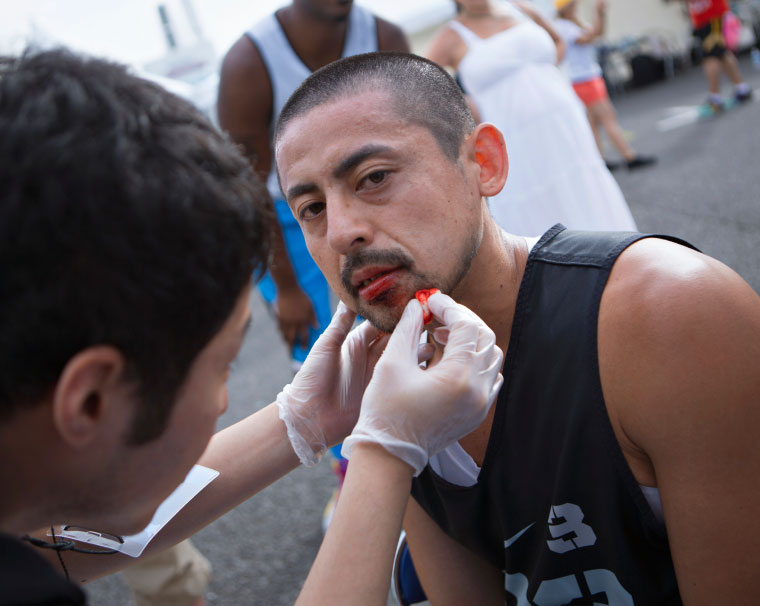
Every member of Team Nagoya sports warmups and caps graced with the Underdog logo, a stylized canine designed by a crew member back home. Style-conscious as the Underdog collective may be, when it comes to streetball, “It’s not really about style,” says Tomoya Ochiai, a.k.a. Worm, after both his admiration for and, on the court at least, emulation of Dennis Rodman. “Since we’re not as big as other teams, it’s all about heart—about outhustling the other team and attacking the hoop.”
And if 3-on-3 were to make the Olympic program for Tokyo—what would that mean to Underdog? I asked Team Nagoya’s Hideki Mitsui, who would be 37 in 2020. “We’re just streetballers,” he replied. “But to represent our country would be great.”
Three-on-three can make the essentialist claim that basketball reliably reduces to threes. Guard, forward, center. Ball, you, man. There’s triple-threat position, when you can dribble, pass, shoot. The number comes enshrined in one of the game’s great plays, the three-pointer, and in one of its most boneheaded solecisms, the three-second violation. The Triangle Offense is feng shuion a chalkboard. A team of three can keep the court balanced with a pass, a screen, a cut.
The Olympics have their tidy trinities too: gold, silver, bronze; citius altius, fortius; up, close, personal. Perhaps the braiding of 3-on-3 with the Games isn’t as odd as it may first seem to be.
On a sunny August afternoon five years ago, a Spanair MD-82 bound for the Canary Islands resort town of Las Palmas crashed moments after takeoff from Madrid’s Barajas Airport. Its right wing had dipped suddenly, causing the plane to pinwheel like a toy and burst into flames before coming to rest nearly a mile away. Among the 154 dead, Angel Santana could count five of his kin: his sister, her husband and their three children.
Santana is a 6' 6", 240-pound forward who’s the soul of Team Bucharest, the World Tour Final’s top-seeded team. His basketball life has been an odyssey, taking him from his home in Las Palmas to the U.S., for stops in both Los Angeles, where he played at Artesia High School with future NBA player Jason Kapono, and Brooklyn, where he spent three seasons at St. Francis. Then he returned to Europe to embark on a long career wintering for club teams in Belgium, Germany, France and Spain. In the U.S. he had met and married a Romanian woman, and in 2005 he settled in her homeland, staying even after they split up, to help raise their child and run his fish import-export business. Eventually he became a Romanian citizen. But after that August day in 2008, Santana shut the world out. He quit the game, packed on the pounds, and put off anyone who tried to lure him back in a gym.
Bucharest is an unlikely 3-on-3 mecca, a place where streetball has a broader following than orthodox 5-on-5. The drawsheet of the city’s annual Sport Arena Streetball tournament brims over with brackets of every permutation, from senior men to teenage girls. A Romanian streetball legend introduced a reluctant Santana to the 3-on-3 scene in the capital, and the game slowly began to reinfect him, tapping into memories of playing halfcourt during his youth in Las Palmas. As Santana reacquainted himself with the simplicity of 3-on-3, even club 5-on-5 seemed like less of a slog. In 2012 he helped lead CSU Asesoft of Ploiesti to a Romanian club title. Several months later he took his adopted country to the Round of 16 at the 3-on-3 Worlds in Athens, beating the U.S. in group play with a two-pointer at the horn.
Now 36, vagabonding around the continent during the summer with guys nicknamed Meatball and Gypsy Man, Santana is a ballplayer reborn. He came into the final as Romania’s top-ranked streetballer and No. 20 on the World Tour.
If nothing else, Romania has Nastase-fied him. On the Tour he’s beloved for the late hours he keeps, especially if he has a game early the next morning. At a tournament in Moscow, he inspired organizers to give him a special MFP award, for Most Funny Player. In Istanbul, after sinking a two-point shot, drawing a foul, and completing the and-one, he made sure to amble over to a knot of flag-waving Romanian fans to deal digits, cackling all the while.
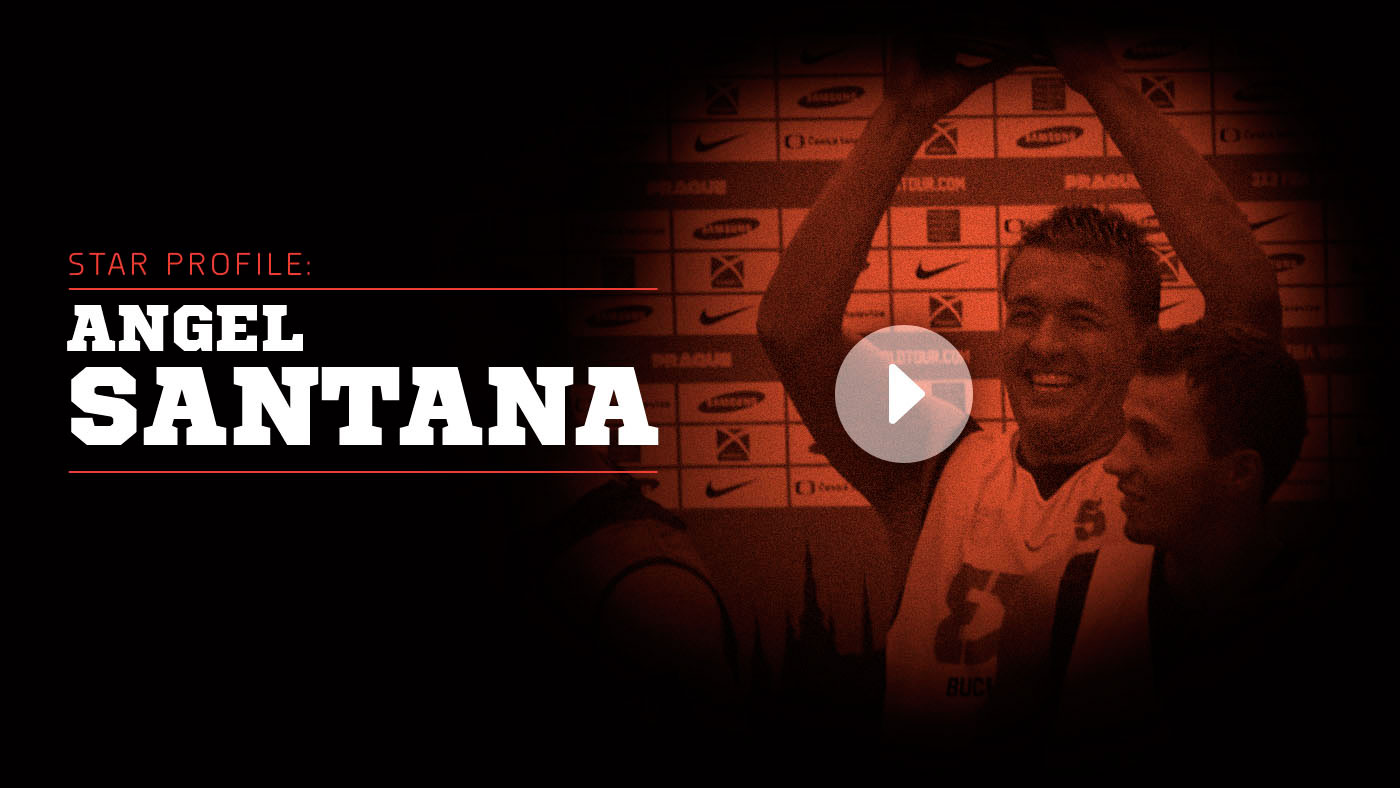
When I found Santana after that game, he elaborated on his journey. Three-on-three came from the heart, he said. And it fit with the pledge he made after the crash to treat every moment as if it were his last. Nothing had done more to restore that sense of innocence than the game he had played as a kid. “Somehow, in a way, it’s going back to the beginning,” he told me. “Somehow, it’s a piece of childhood.”
Other players with 5-on-5 pedigrees cited similar reasons for making the passage to 3-on-3. No team played better together than Team Saskatoon. It featured one-third of the University of Saskatchewan team that, three years earlier, had won the Canadian Interuniversity Sport (CIS) title, the equivalent of the NCAA championship, the school’s first in a century. Those Huskies seemed to pour every movie-of-the-week angle into one story. They dedicated the season to point guard Brendan Jarrett, who had died the year before of testicular cancer. Most of the team came from Saskatchewan itself, whose flooded wheat fields had produced plenty of hockey players but few basketballers. Mike Linklater, a 5' 10" guard of Cree descent with a braided rattail and a First Nations tattoo on his upper arm, had been the unlikely captain of that Huskies team and star of the CIS final.
Abandoned by his father, then by his alcoholic mother, only to father a child of his own as a teenager and watch one friend kill another during a fight at a party, Linklater was 27 by the time he finally played out his collegiate eligibility. Saskatchewan had been his fourth school in five years, and he hadn’t stayed at any one for more than a season at a time. But winning that title had made those struggles seem almost worthwhile. Now he was 30, and the 3-on-3 circuit fit perfectly with his itinerant pedigree. He forswore the vices that had undone family and friends, and never turned down a chance to recount lessons learned to any group that would hear them.
As Team Saskatoon’s big men, Troy Gottselig and Michael Lieffers, challenged shots up high, Linklater used his lateral quickness and active hands to frustrate ballhandlers down low. Defense had been the hallmark of that CIS title team, and to watch Team Saskatoon play it with pride was to realize how little of that ethic made its way into elite 3-on-3 culture. “That’s what I don’t get,” Trevor Nerdahl, the other guard on the team, told me. “A lot of teams just don’t play defense.”
That was perhaps the most dominant impression from watching a numbing 18 games on the opening day of play. Given that an offense has only 12 seconds to shoot, and the refs tolerate so much contact, it’s crazy not to play unslacking, aggressive, even bullying D.
Indeed, the patterns and rhythms of 3-on-3 had begun to leave traces on my hoops circuitry, and they got me thinking. FIBA rules don’t permit bench coaches, but if I were to lead a chalk talk with a team before a World Tour event, I’d hit these points:
Sure enough, I couldn’t recall an offensive foul being whistled all weekend. Debove had followed the tour in its entirety, so I pressed him on this. “I’ve seen one or two,” he allowed, a little sheepishly. “Maybe for a moving screen.”
I was just beginning to riddle this 3-on-3 thing out, I thought, when a text popped up on my phone. It seemed like a message from across the years, a signal that knitted together vintage streetball with the new.
Back in Connecticut, Bill Eppridge had died of sepsis at 75.
Bill Eppridge wasn’t a ballplayer, but a photojournalist best known for his visual testimony of the Sixties. His most famous images depicted an assassinated Bobby Kennedy, his head cradled by a busboy over a pool of blood; and a mother and son in mourning for their husband and father just murdered by the Klan. But the grave selects of his oeuvre are misdirections, for Bill was someone who, like Angel Santana, squeezed all the joy he could out of life.
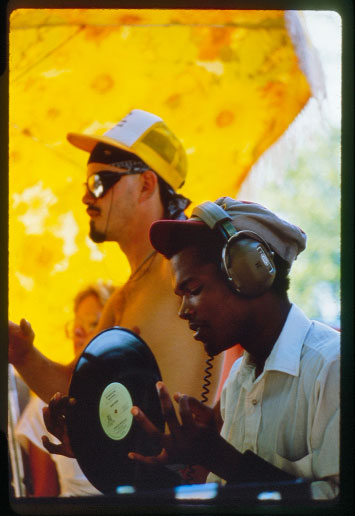
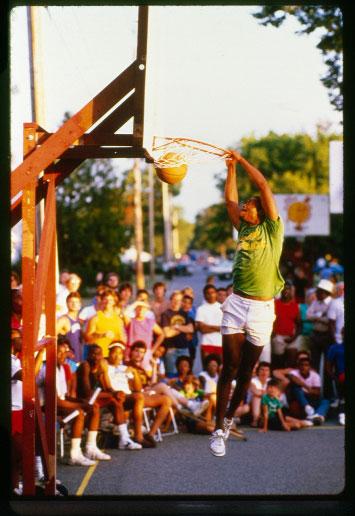
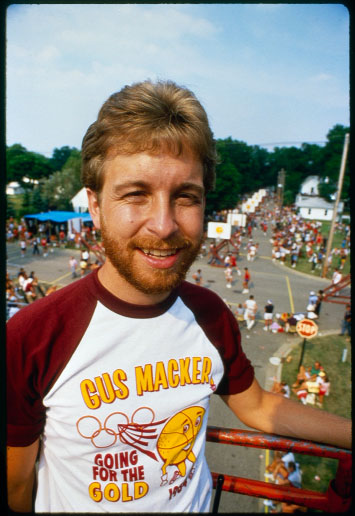
The other 3-on-3 event I had covered for SI—the ancestor to which the FIBA World Tour could trace itself—was the 1983 One and Only Original All-World Gus Macker Three-on-Three Basketball Tournament, which had begun in a driveway in Lowell, Mich., outside Grand Rapids. Bill was assigned to shoot the story, but not, he made sure, without also finding a chance over that weekend to pull some fish out of the nearby Thornapple River. Upon seeing a labyrinth of suburban streets filled with stanchion after basketball stanchion, and players of every shade, shape and size spilling over curbs into the front yards of indulgent neighbors, Bill unsaddled his camera bag with a smile. “This,” he said, “is exactly the kind of thing we would have covered at the old LIFE.”
The original Gus Macker tournament had begun in 1974, when brothers Scott and Mitch McNeal invited friends from the neighborhood to play for a few bucks tossed into a hat. Soon the Gus Macker—“Macker” after McNeal; “Gus” after nothing in particular—took over the town, with ballplayers from all over the country converging on Lowell for three days each July. Macker events started popping up around the Midwest, eventually cresting at more than 80. But then imitators like Hoop It Up stepped in, slicking up the concept, cutting deals with NBC and the NBA, taking it national and making it corporate.
The Macker abided just the same, never straying far from its cornpone, flyover roots. Wherever possible the McNeals assigned the men in the over-40 division to a court near a funeral home. They published each tournament’s drawsheet in something called the Mackerville Gusette. And they acknowledged that Gus’ two favorite foods, Yoplait and barbecue, staked out poles at either end of an ethnic continuum. “He’s a Gemini, you know,” the McNeals’ mother, Bonnie, would say. “Split personality.”
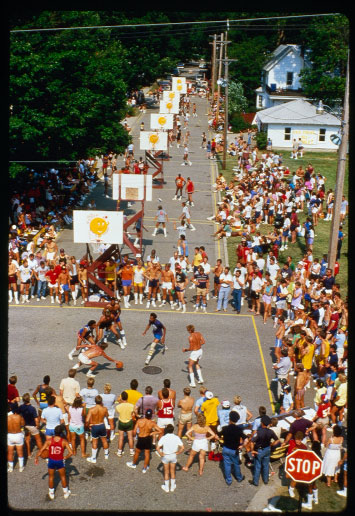
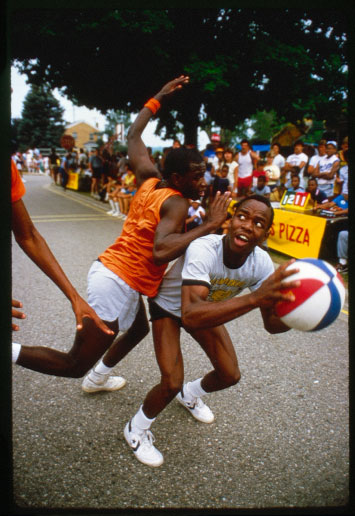
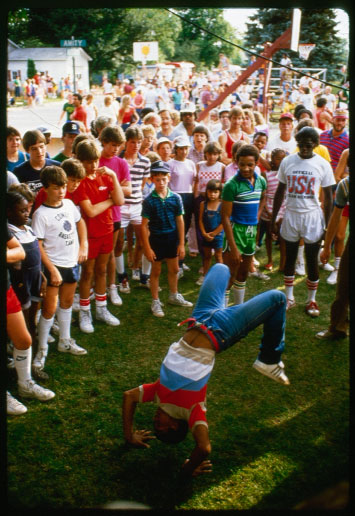
Not every Lowellian shared in the pan-racial spirit. When I returned to the original Macker a year later—this time not to write but to play—the McNeals’ next-door neighbor complained to me that “Just this morning I found a spearchucker in my flowerbed!” The neighbor, Larry Isenhoff, would go on to join a backlash that eventually forced the original Macker to relocate from Lowell to the town of Belding, 12 miles away. Isenhoff told a town council meeting that he didn’t like “all these blacks” around his house, and that blacks “bring problems.”
Of course if you felt that Lowell’s graver problem was actually a deficit of African-Americanism, you applauded the McNeals’ efforts to redress it—playing urban contemporary music; refusing to straitjacket the slam-dunk contest with rules beyond “Don’t bring no weak stuff;” and turning over the sound system to a Grand Rapidsian, Robert S, whose tagline was “I put the rap in Grand Rap-ids.” Gangsta was still a few years from invention, and hip-hop had a comparatively bubble-gum quality to it. Robert S dedicated a rhyme to the tournament:
I never really knew what basketball meant
’Til I went to the Gus Macker tournament
I saw lots of people from different races
And everywhere I looked I saw smiling faces
And the only thing that coulda brought ’em all together
Was a l’l ol’ ball, made of leather
D.J. XXXL would have laughed it off his playlist, but I heard essentially the same sentiment from FIBA people all weekend.
Fifteen years after my first visit to Lowell, the Macker decided to mark its 25th anniversary by holding the 1998 national championship in the Walt Disney Corporation’s planned community of Celebration, Fla. I made the trip because it seemed like such a curious choice. Disney propaganda boasted that every resident of Celebration “has the same desires, and everyone has the same ideals.” Each structure in town had to conform to rules outlined in a “pattern book.” Zoning ordinances even prohibited homeowners from erecting basketball hoops visible from the curb.
Yet for one weekend the Macker ran wild in those preciously realized streets. R&B replaced the Muzak ordinarily piped through loudspeakers at the bases of the palm trees downtown. Teams named B-Town Dog Pound and Death Row worked their way through the draw to the final. Audible profanities lit the air, and T-shirts read GAME COCKS and YO MAMA. I asked the elderly woman volunteering at registration what she made of it all. “I love it,” she replied. “We need a dose of reality.”
It had been subversively brilliant to bring 3-on-3 to Celebration, and I’m sure Bill, had he been there with his camera, would have captured the genius of the juxtaposition. The Eighties and Nineties may have been more innocent times, but cultures collided even then. Streetball has a way of forcing reactionaries to grapple with the world as it is, not as they wish it to be.
The next morning broke windless and clear but no less chilly. Reaching Besiktas Port Square an hour before tipoff of the knockout stage, I found D.J. XXXL shuffling up the bleachers of the VIP section, whose superstructure groaned with each step.
I introduced myself and got an oral resume in reply. Onur Pehlivan had played football and studied business at Michigan State during the mid-Nineties. Returning home for graduate work in psychology, he founded the Bosphorus University Sultans, Turkey’s first American football team. More recently he had launched an all-women’s motorcycling club and, a year ago, with another D.J. and a graffiti and tattoo artist, Istanbul’s Hall of Fame Urban Arts Academy. In addition to Pehlivan’s platter and chatter, the academy supplied the spray painters responsible for a courtside panel of graffiti art.
There was a lull while I wrote all this down.
“By the way,” he added, as if sharing a secret, “I play explicit music.”
It was all I could do not to say, “I hadn’t noticed.”
“Do the imams have a problem with it?” I asked instead, gesturing across the street.
“They don’t care, because they don’t understand English.”
That, I thought, hadn’t fatwa-proofed Salman Rushdie.
An hour later, seeing Mike the Nike guy, I congratulated him on a coup: The dance team now wore Beaverton hijab—beswooshed hoodies.
“That’s not a marketing ploy,” I told him. “That’s an act of humanitarianism.”
“Wouldn’t want to get in trouble with the Society for the Prevention of Cruelty to Cheerleaders,” he replied.
The music notwithstanding, Hackman, a native Hoosier and basketball purist, seemed pleased with the event, and in more than an obligatory, support-your-marketing-partner kind of way. To hear him tell it, the level of play had spiked dramatically in one season. “I keep telling people—telling FIBA—the tagline for this should be ‘The Skillful Game.’ In 5-on-5, you can be one-dimensional and get away with it. Here, everyone’s got to pass and shoot and defend. It’s not like streetball in the States. If a guy can’t play he’s exposed pretty quickly. When this is done by people who know what they’re doing, it’s beautiful to watch.
“I went to the Worlds last year and you could see the potential for the Olympics. The court was set up in front of ancient Greek columns. The Greeks love their team, and they packed it for them, but they stayed for all the other games too.
“The first World Tour event I went to, in Vladivostok last year, a team from Taiwan beat these big Russians. The Taiwanese were down to two players because of fouls”—a player committing his fourth of a game is disqualified—“and still beat them with two-pointers. As some Russian would go in for a dunk, a Taiwan guy would sprint to the two-point line and, swish. This game gives the little guy a fighting chance.”
Indeed, the weekend had been a pageant of regional distinctiveness. Eastern Europeans, schooled by club-team coaches, would run a remorseless two-man game, setting and rolling from ball screens while a third player spotted up on the weak side. The South Americans had rougher edges, so they’d scrum near the basket, get a shot up, then crash the boards in pursuit. With no big men to clog the middle, the Asians understood the value of spacing and, pace Taiwan, made sure to deploy shooting threats at the arc. Player after player proved that good shots know no boundaries; an Indonesian, Fandi Andika (Mr. Big Shot) Ramadhani, won the Samsung Shootout that’s a staple of every World Tour event.
Each tour stop had its obligatory dunk contest too, with nicknames, props and a spirit of mutual congratulation that could have been lifted whole from NBA All-Star Weekend. Here 21-year-old Rafal (Lipek) Lipinski of Poland beat Ukraine’s Dmitry (Smoove) Krivenko, clinching the title with a reverse dunk thrown down over a guy on a motorcycle from whom he had grabbed the ball in mid-flight. Lipek is said to be the first European to pull off a 720-degree dunk—though he didn’t have to resort to it to beat Smoove, who in three attempts failed to pull off the around-the-waist-after-launching-himself-into-the-air dunk he had nailed in Lausanne.
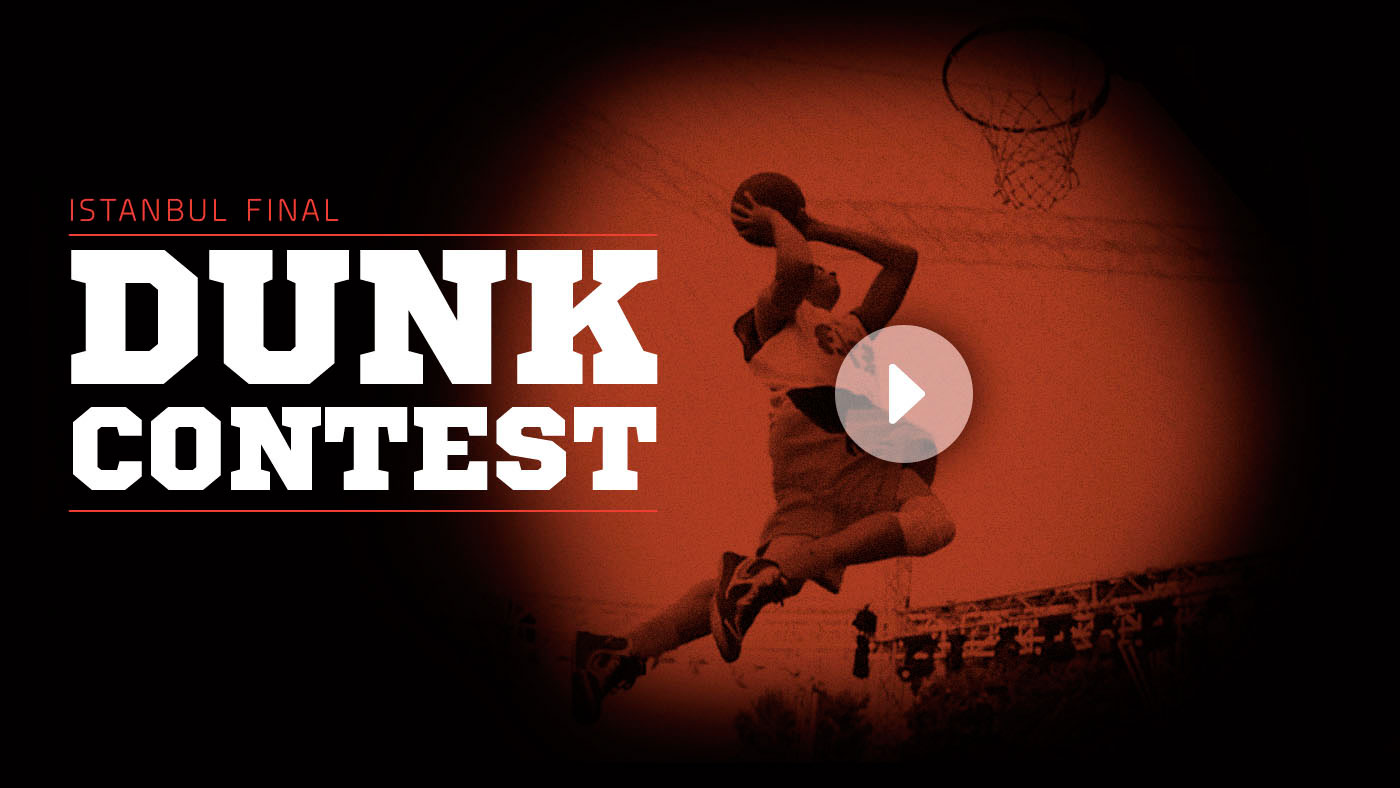
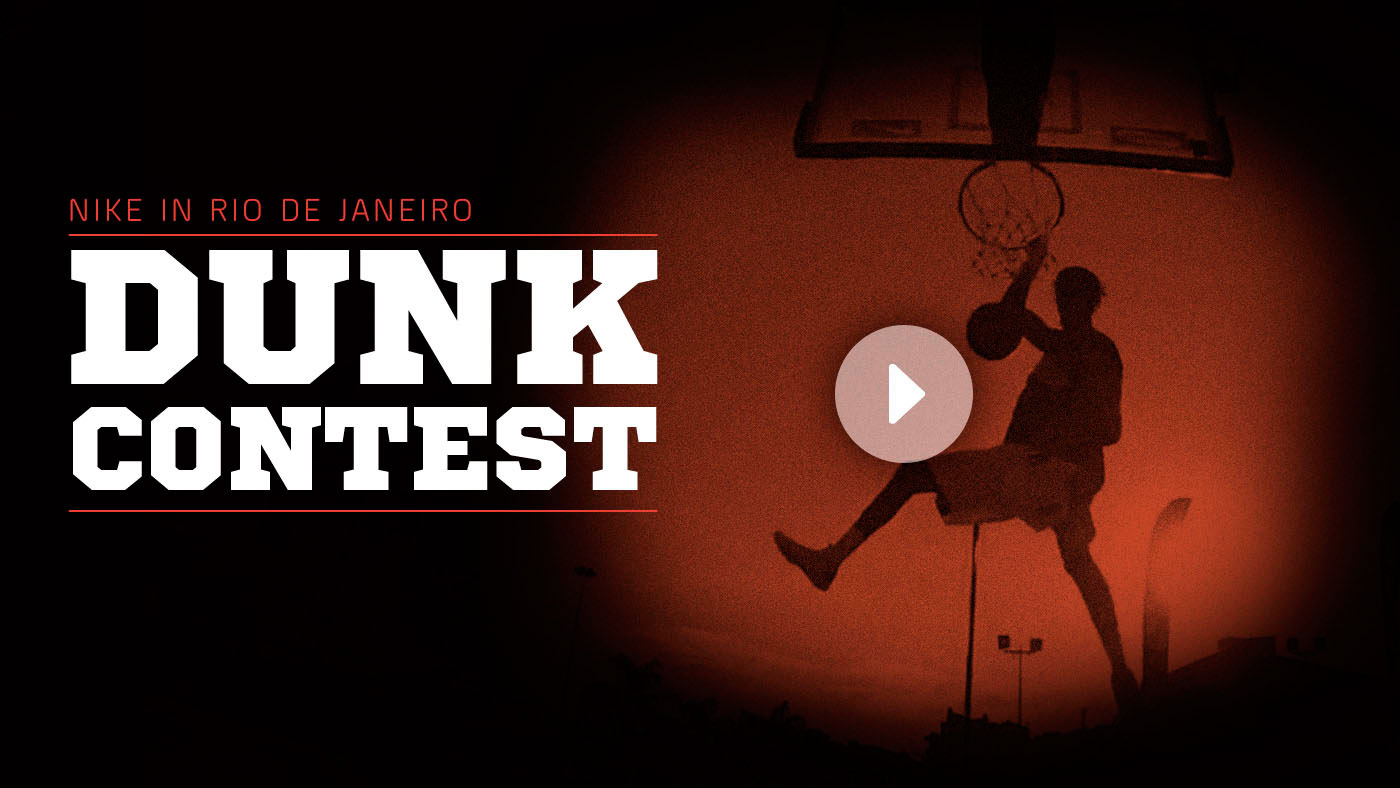
The contest did suffer from the absence of a third dunker, Justin (Jus Fly) Darlington of Canada, who in Rio had thrown down a slam that still had World Tour roadies buzzing. He began by placing the ball on the court beside the lane. With a running start he turned a cartwheel, plucked the ball off the ground, and continued to wheel unbroken into a slam, dredlocks trailing all the while. The move was Darlington’s homage to the French pioneer Abdoulaye Bamba, who had introduced the cartwheel back in the Nineties. It said something that international streetball culture had its legendary dunkers too, its own Earl (Goat) Manigaults and (Jumpin’) Jackie Jacksons.
The shootout and slam-dunk contest are intermezzi before the main draw gets down to business. In one semifinal, Team Novi Sad meets Team Kranj. The Serbs’ anchor is Bulut, the unshaven player angling for the top spot in the rankings, but Novi Sad looks doomed, trailing 12-9 with a half-minute to play. Finding himself just left of the key, Bulut crosses over behind his back, then rises into a two-pointer that finds its mark with 23 seconds to play. Novi Sad rebounds a Kranj miss, and again Bulut takes the ball beyond the arc. Here he uses a roll-back dribble, between the legs, to get just enough separation to launch an even longer two. It settles into the net as the game clock expires. As teammates pile on him, I reflect on this astonishing stretch. It vindicates everyone who has told me that, rankings be damned, Bulut is the best 3-on-3 player in the world.
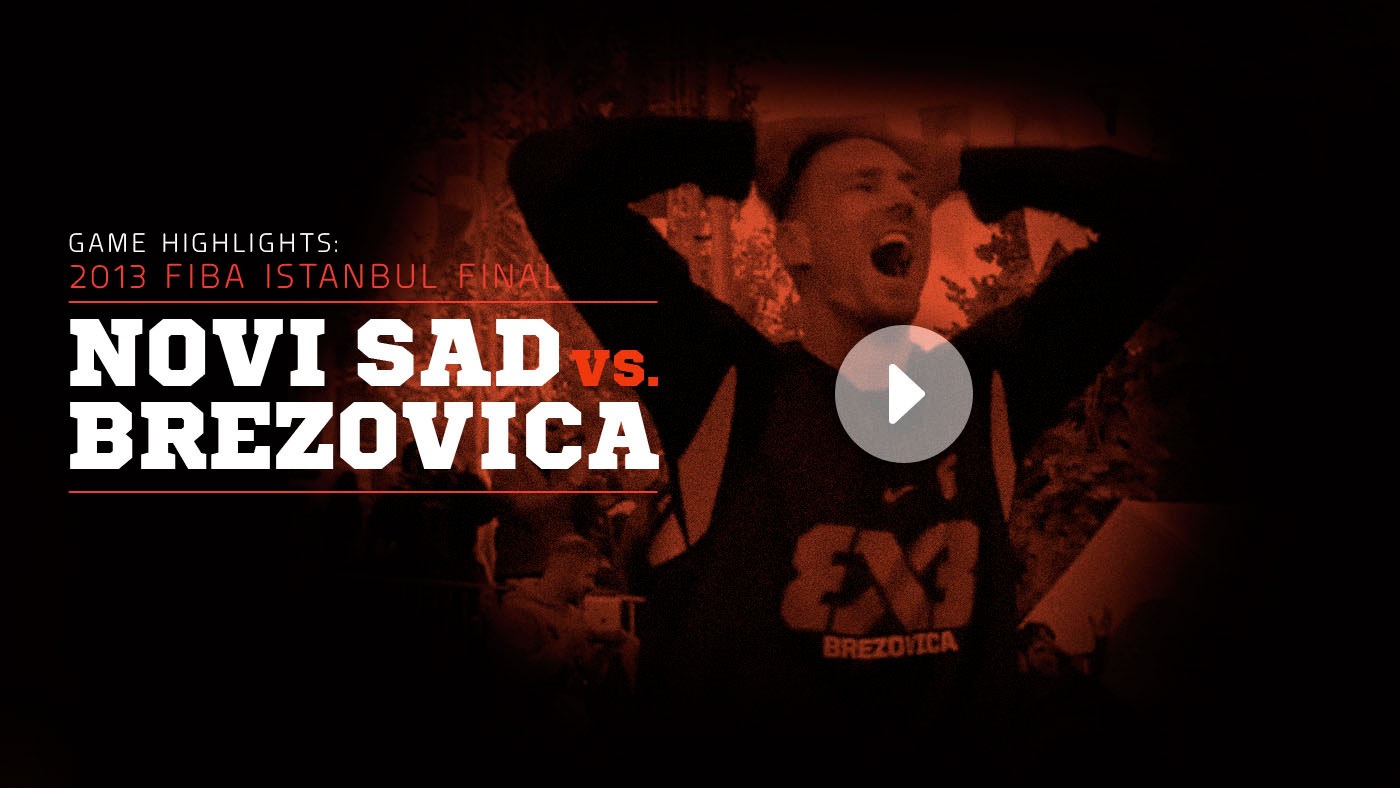
Team Novi Sad will now play Team Brezovica, which had worn down Team Caracas in the other semifinal. This would be a worthy conclusion to the World Tour. The combative spirit of the Serbs. The jaw-dropping versatility of the Slovenes. All to a soundtrack of Prodigy’s Smack My B---- Up.
And here, retold, was an immutable truth of basketball, whether configured with threes or fives: Size usually confers a decisive edge. As Ales Kunc, Birdman’s 6' 10" sidekick, would tell me after Brezovica’s 19–13 victory, “Not a lot of 3-on-3 teams can guard two big men.”
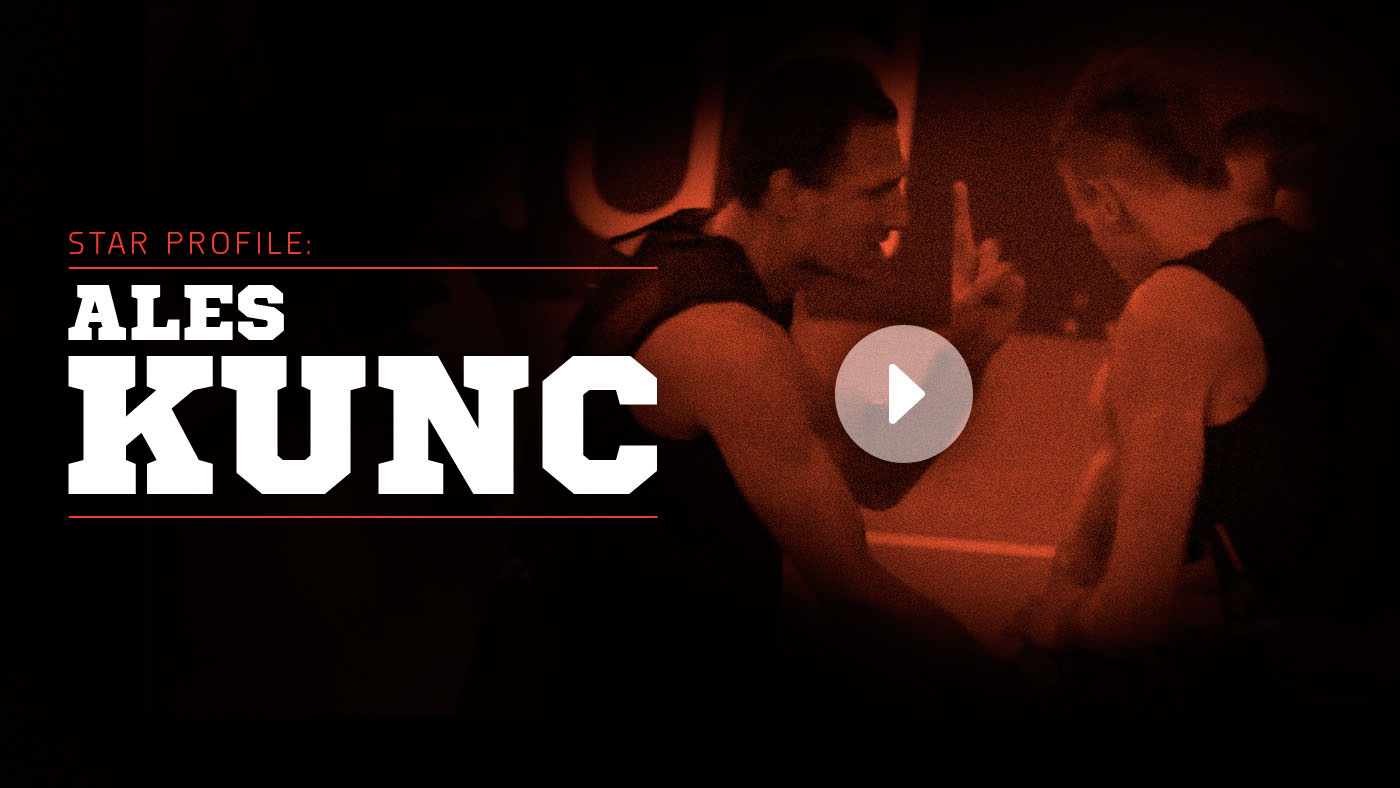
For Kunc, 40, this was the sweetest kind of victory. He had logged time on the national team with Slovenia’s first great basketball generation, players like Rasho Nesterovic, Juri Zdovc and Teoman Alibegovic. As he passed through his mid-thirties and the club contracts began to dry up, he thought he’d give 3-on-3 a try, “just for fun,” only to have it suck him in. His wife permitted weight training sessions and runs at dawn to upend the family routine, even as stumbles in a string of European qualifiers left the Slovenes a longshot to make it to Istanbul. Over the summer, back in their shared hotel room after a loss at a tournament in Budapest, 36-year-old Jasmin Hercegovac decided to challenge his teammates. “We should all have the same haircut as Birdman,” he announced. Hercegovac was sure the eldest among them would refuse. But Kunc turned out to be more enthusiastic than anyone.
Late in the summer Team Brezovica made one last appeal to its sponsor, the Slovenian division of a Swedish car parts company, to underwrite a trip to one final tournament. Sure enough, the Mohawk Gang won an event in Copenhagen to earn a spot in Lausanne, where Brezovica placed second, good enough for a trip to the World Tour Final.
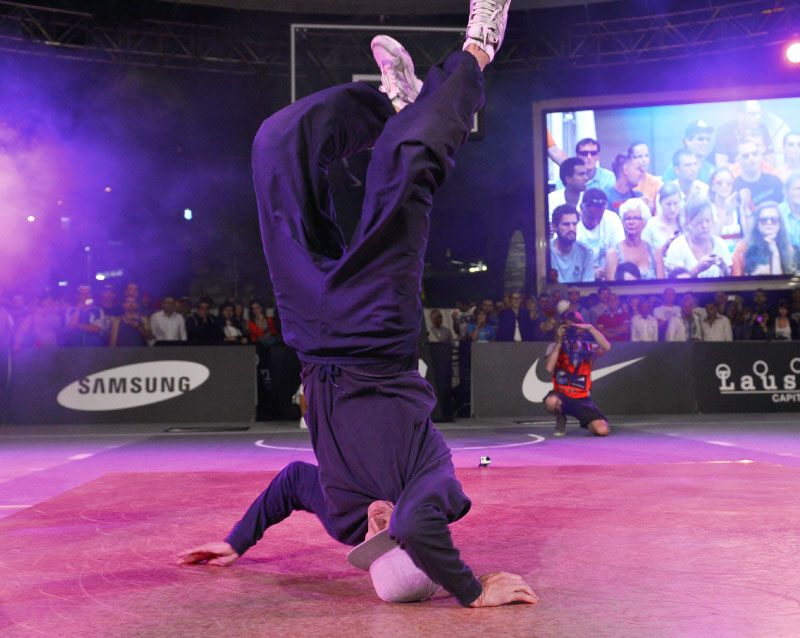
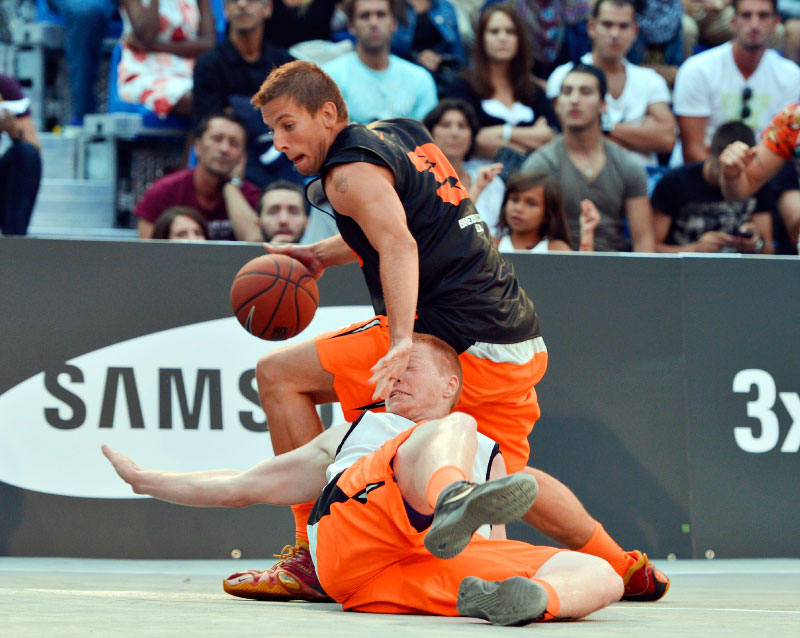
“We’re not the strongest or fastest or highest-jumping team,” Kunc told me afterward. “But we understand the game, prepare for the game, and know our opponents’ weaknesses.”
If there are eight million stories in the Naked-and-Headscarved City, a thread seemed to run through them. In the same way 3-on-3 had taken Angel Santana back to the safety of his childhood, and the World Tour was giving Mike Linklater a chance to recast the narrative of a difficult youth, the old men of Team Brezovica, in the glow of their championship, credited the simple and the pure. “In this sport a game takes only 10 minutes,” Hercegovac said. “If you’re focused, you can do anything.”
By reaching the final and leading all scorers over the weekend, Bulut would indeed ascend to No. 1 in the world, nosing out Birdman, who rose to No. 2.
Serb though he is, Bulut is of Turkish descent. And while he intended no ulterior statement, for a man to shave his beard has political meaning in Turkey. At Ataturk Airport several days later, just before flying home, I would learn that the regime of Islamist prime minister Recep Tayyip Erdogan had just announced that it would permit women who work in state buildings to wear headscarves. This was another breach in the wall that had long protected secularism as the basis for Turkey’s government. Yet in June, when tear gas wafted through Taksim Square, you couldn’t have pegged the protestors as entirely secular or religious. Young boys with tattoos rushed to the aid of women in hijab. You could almost say that, for a few days at least, D.J. and imam were one.
Something begun in a driveway in Gerald Ford’s old Congressional district had come a long way. Over two days it helped open a window on a country where currents of change flow over an anti-modern riptide. Three-on-three will move on, to shake up other culturally calcified places: Qatar, for that All-Star event in December; Moscow, for the next World Championships in June; Nanjing, for the Youth Olympics in August. Year Three of the World Tour will barnstorm through the continents next summer. And then, seven years from now, the game of threes will hit Tokyo, provided those fuddy duddies on the IOC can get in touch with their inner children.

Managing Editor SI.com: Matt Bean
Story Editor: Richard O'Brien
Creative Director: Chris Hercik
Deputy Design Director: Alicia Hallett
Interactive Web Developer: Louis Gubitosi
Director of Photography: Brad Smith
Photo Editor: Annmarie Avila
Premedia: Geoffrey A. Michaud, Dan Larkin
Video Producers: Ian Orefice, Collin Orcutt and Dave Seperson
Terms under which this service is provided to you.
Read our privacy guidelines, your California privacy rights, and ad choices.